
Audio Score · July 2026
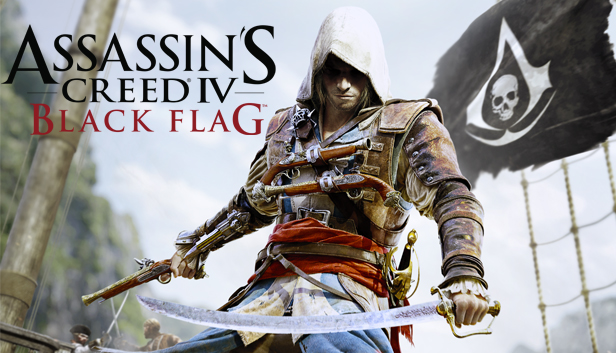
In 2013, shortly after Assassin’s Creed IV: Black Flag launched, an interesting phenomenon emerged: players weren’t uploading gameplay videos to YouTube — they were uploading the game’s sea shanties.
Today, Black Flag’s shanty playlists have accumulated over 200 million plays across Spotify and YouTube. One song, Leave Her Johnny, has outlived the game itself.
The 2026 Resynced edition has re-recorded all the shanties — so let’s take this opportunity to seriously discuss the musical value of these songs.
The Historical Roots of Shanties
Sea shanties (or chanteys) were work songs sung by 19th-century sailors while working aboard ships. Each shanty had a specific rhythm corresponding to different tasks:
| Type | Rhythm | Purpose | Black Flag Example |
|---|---|---|---|
| Capstan shanty | 4/4 time, steady | Turning the capstan to weigh anchor | Leave Her, Johnny |
| Halyard shanty | Strong/weak beats, explosive | Hoisting sails together | Way, Haul Away |
| Short drag shanty | Fast, short bursts | Brief collective effort | Heave Away |
These weren’t picked at random. Ubisoft’s music team collaborated with ethnomusicologists to ensure every shanty’s rhythm and lyrics were historically accurate. When your crew sings Drunken Sailor in-game, they’re using the authentic 19th-century sailor rendition.
Why Did Shanties Explode in the 2020s?
This is a fascinating music culture phenomenon. Black Flag’s shanties experienced a second wind on TikTok and YouTube a full decade after the game’s release.
Possible reasons:
① Community. Shanties are fundamentally “songs sung by a group of people together.” In an era of isolation and remote work, this collective form of singing held strong emotional appeal. The #seashanty tag on TikTok accumulated over 3 billion views, and a cover of Wellerman entered the Billboard Hot 100 in 2021.
② Return of real instruments. 2020s music production increasingly relies on synthesizers and electronic effects — shanties are the complete opposite. Accordion, violin, acoustic guitar, vocal harmonies. This “organic” sound became a rare commodity in an electronic age.
③ Interactivity in games. Black Flag’s shanties aren’t background music — they’re “music you trigger.” When you stand at the helm, your crew randomly begins a shanty, and you can choose to join in or leave. This interactivity creates an emotional bond between player and song.
Resynced’s Audio Upgrades
The Resynced edition substantially remasters the music, not just improving sound quality:
- Re-recorded shanties — Using modern recording techniques while preserving the original choral arrangements
- Dynamic mixing — Naval combat music automatically shifts intensity based on battle conditions
- Environmental audio upgrade — Waves, wind, seagulls, creaking ship wood — all redesigned
- DualSense support — The PS5 controller speaker plays faint shanty sounds
These changes mean that shanties in Resynced are no longer just “songs you can play in the menu” — they’re a core component of the immersive sailing experience.
Recommended Listening List
If you’re new to Black Flag’s music, start with these three:
- Leave Her, Johnny — The most iconic farewell song, lyrics capture sailors’ reflections after a voyage ends
- The Scotsman — A humorous short song about a Scotsman’s “special needs”
- Rule, Britannia! — Not a traditional shanty, but an in-game adaptation of a British patriotic song
Conclusion
Black Flag’s shanties aren’t just a cute Easter egg in a video game. They’re one of the most successful applications of folk music in gaming history, and a perfect practice of music anthropology in interactive media.
Resynced brings these songs back to our ears with better sound quality. If you missed their magic in 2013, now is the perfect time to catch up.
What’s your favorite shanty from Black Flag? Or is there other game music you’d like us to analyze? Let us know in the comments.

Comments (0)